Which OTC allergy medicine should you buy? The answer starts with a symptom, not a brand
Four 24-hour antihistamines and one nasal steroid, compared by what each US label actually covers — plus the decongestant FDA says does not work.
The right over-the-counter allergy medicine is decided by which symptom you have, not by which box says “24 hour.” In the United States the open shelf carries four oral antihistamines dosed once a day — cetirizine (Zyrtec), levocetirizine (Xyzal), loratadine (Claritin) and fexofenadine (Allegra) — and none of their Drug Facts labels lists nasal congestion among the symptoms it treats. All four list the same four symptoms: runny nose, sneezing, itchy watery eyes, and itching of the nose or throat. If your problem is a blocked nose rather than a running one, the label you want is a different one.
That single line of label text reorders the whole decision, and it is the difference between a box that addresses the symptom you bought it for and a box that does not.
What symptom are you actually treating?
FDA’s own explanation of the mechanism is the clearest way in. An allergy is the immune system reacting to a trigger by releasing chemicals “such as histamine (hence the term ‘antihistamine’). Histamine causes symptoms, such as runny nose, itchy nose, sneezing, and itchy and watery eyes.” An antihistamine blocks that one chemical. It does not shrink swollen tissue, which is what a blocked nose is.
So the shelf splits by symptom, and the split is written on the labels:
| What you feel | Which over-the-counter label actually lists it |
|---|---|
| Runny nose, sneezing, itchy watery eyes, itchy nose or throat | All four oral antihistamines — cetirizine, levocetirizine, loratadine, fexofenadine |
| Nasal congestion, sinus pressure | A nasal corticosteroid (fluticasone); an antihistamine nasal spray (azelastine); pseudoephedrine, behind the counter; oxymetazoline spray, for no more than 3 days |
| Itchy, watery eyes as the main complaint | Any of the four oral antihistamines, or fluticasone nasal spray — all five list “itchy, watery eyes”. Azelastine nasal spray does not |
| Congestion plus the four allergy symptoms | A “-D” combination, which is an antihistamine plus pseudoephedrine, or a nasal corticosteroid, which covers all five |
The congestion row is where most purchases go wrong. “Allergy” on the carton and “allergies” in the symptom list are not the same promise, and the four antihistamines never make that promise.
What do the four 24-hour antihistamines actually differ on?
Chemically, less than the marketing suggests. Levocetirizine is the R enantiomer of cetirizine — Xyzal’s own prescribing information says so — which is why the two are treated as relatives rather than as separate classes. Loratadine and fexofenadine are separate molecules. What differs in practice is the label: the age floor, the kidney instruction, and how each one words the drowsiness warning.
| Cetirizine (Zyrtec) | Levocetirizine (Xyzal) | Loratadine (Claritin) | Fexofenadine (Allegra) | |
|---|---|---|---|---|
| Adult dose, 24-hour form | 10 mg once daily | 5 mg once daily, in the evening | 10 mg once daily | 180 mg once daily |
| Label ceiling | 1 tablet in 24 hours | 1 tablet in 24 hours | 1 tablet in 24 hours | 1 tablet in 24 hours |
| Age floor, adult tablet | 6 years | 12 years for the full tablet; 6–11 takes half | 6 years | 12 years — “do not use” below |
| Kidney disease | “Ask a doctor” | “Do not use” | “Ask a doctor” | “Ask a doctor” |
| Drowsiness on the label | “drowsiness may occur”; be careful driving | Same warning | Only “taking more than directed may cause drowsiness”; carton says non-drowsy when taken as directed | No drowsiness statement at all |
| Extra label instruction | Avoid alcohol; ask before combining with tranquilizers or sedatives | Same, plus ask a doctor if you have had trouble urinating | None | Take with water; not with fruit juice or aluminum/magnesium antacids |
| Age 65 and over | “Ask a doctor” | “Ask a doctor” | No 65+ line on the tablet label | “Ask a doctor” |
Two rows deserve a second look, because they are the two places where the boxes genuinely diverge.
The kidney row is a prohibition on one box and a caution on the others. Xyzal’s label says “Do not use if you have kidney disease.” Zyrtec, Claritin and Allegra all say to ask a doctor first, because the dose may need to change. If you have chronic kidney disease, that is not a subtle difference — it removes one of the four from consideration before you read anything else.
The drowsiness row is a claim, and claims have footnotes. Claritin’s carton says “Non-Drowsy,” and the asterisk resolves to “When taken as directed. See Drug Facts Panel.” FDA’s consumer page states the general principle without picking a brand: some antihistamines cause drowsiness and interfere with driving, and “some others don’t have this side effect.” Allegra’s Drug Facts contains no drowsiness statement at all, which is a fact about the label rather than a promise about the drug — the reliable move if you drive for a living is to try it on a day when you are not driving.
Which one should you take?
Five questions, in this order. The first one that produces a “yes” decides it.
- Do you have kidney disease? Levocetirizine is out — its label says “do not use.” For the other three, ask a pharmacist about the dose rather than taking the standard one.
- Do you need to be sharp for the next eight hours? If yes, start with fexofenadine or loratadine, the two whose labels do not warn about drowsiness at the labeled dose. Cetirizine and levocetirizine both warn about it.
- How old is the person taking it? The floors differ — 6 for cetirizine, loratadine and levocetirizine (the last at a half tablet for ages 6 to 11), and 12 for fexofenadine, whose label says “do not use” below that. See the children’s section below before cutting anything in half.
- What else is in the medicine cabinet? Fexofenadine has two instructions the others do not: not with fruit juice, and not at the same time as aluminum or magnesium antacids. Cetirizine asks you to check with a doctor or pharmacist before use if you take tranquilizers or sedatives; levocetirizine carries the same drowsiness interaction warning without that extra instruction, and both say breastfeeding is “not recommended.”
- Are you over 65? Three of the four labels send you to a doctor, and the fourth is silent. There is also a genuine inconsistency worth knowing about: the Zyrtec tablet label says “adults 65 years and over: ask a doctor,” while the Children’s Zyrtec liquid label — which also carries adult directions — gives “5 mL once daily” for the same age group, half the 10 mL maximum the same label allows at 6 and over. The two labels disagree. That is a question for a pharmacist, not a coin flip.
If none of the five produces a “yes,” the honest answer is that any of the four will treat sneezing and itching, and the tie-breaker is your own history rather than the brand’s reputation.
Why does the “PE” on the box matter more than the “-D”?
Because the letters tell you which decongestant you are holding, and only one of the two works when swallowed.
The plain language rule: read the active ingredient line, not the front of the box. “Pseudoephedrine” is the oral decongestant that works. “Phenylephrine” is the oral decongestant that FDA has proposed to remove from the over-the-counter monograph because, in the agency’s own words, it is “not effective.”
The dates matter here, because this is a rule in motion:
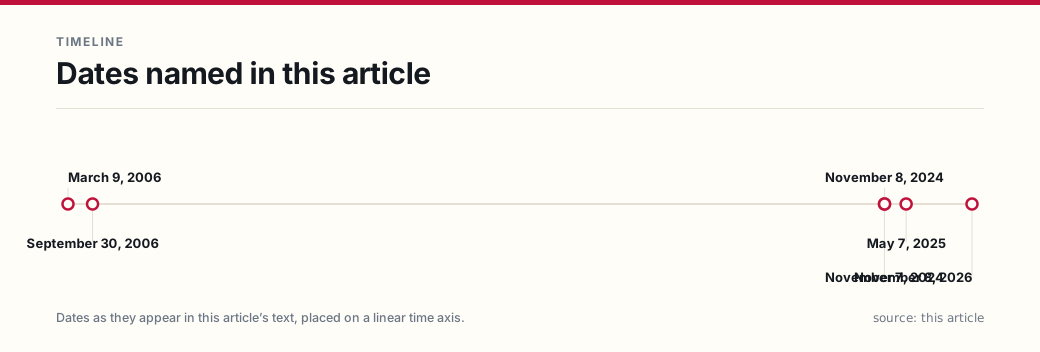
- November 7, 2024 — FDA announced proposed administrative order OTC000036, which “if finalized, will amend Final Administrative Order OTC000026, to remove orally administered phenylephrine hydrochloride and phenylephrine bitartrate in an effervescent dosage as nasal decongestant active ingredients because they are not effective.” The notice was published November 8, 2024 at Docket No. FDA-2024-N-4734.
- May 7, 2025 — the comment period closed. The docket’s display on the Federal Register document page records 2,885 comments received.
- November 8, 2026 — still a proposal. FDA’s consumer page continues to say it “is proposing to remove” the ingredient, and that products “can still be marketed until the agency issues a final order.” A search of Federal Register documents mentioning phenylephrine published after the comment period closed returns no final order.
So the practical reading is not “throw it away” — FDA also says that if a product you use contains oral phenylephrine, “you may continue to use it,” and that its presence “does not affect how other active ingredients work.” The practical reading is: do not buy a product for its phenylephrine. If you are buying a cold-and-sinus box for the decongestant, the ingredient you want is the one behind the counter.
That one is genuinely regulated, and the friction is the point. Under the Combat Methamphetamine Epidemic Act of 2005 — folded into the Patriot Act signed March 9, 2006, effective September 30, 2006 — pseudoephedrine products sit behind the counter or in a locked cabinet. You show photo identification, you sign or enter a logbook, and the retailer keeps that record for at least two years. Federal law caps a single purchaser at 3.6 grams per day regardless of how many transactions that takes (21 U.S.C. § 830(d)(1); 21 CFR 1314.20(a)); 21 CFR 1314.20(b) adds a 30-day cap of 7.5 grams for mobile retail vendors. State rules sit on top of the federal ones — FDA notes that “many state governments have issued regulations controlling the sale of these products” — so the pharmacist’s answer on quantities and identification can differ across a state line.
Pseudoephedrine also carries cautions the antihistamines do not. The Zyrtec-D label asks you to check with a doctor first if you have heart disease, high blood pressure, thyroid disease, diabetes, glaucoma, or trouble urinating from an enlarged prostate, rules the drug out entirely with a prescription MAOI (or within two weeks of stopping one), sends adults 65 and over to a doctor, and tells you to stop if you get “nervous, dizzy, or sleepless.”
And the nasal spray version has its own clock: oxymetazoline (Afrin) says “do not use for more than 3 days,” because “frequent or prolonged use may cause nasal congestion to recur or worsen.”
Is a nasal spray a better first buy than a tablet?
For congestion, usually yes — and the reason is on the label, not in an advertisement. Flonase’s Uses list contains everything the antihistamines claim plus the one they omit: “nasal congestion, itchy nose, runny nose, itchy, watery eyes, sneezing.”
What you trade for that breadth is speed. The fluticasone label says you “may start to feel relief the first day and full effect after several days of regular, once-a-day use,” and the first week’s direction is two sprays in each nostril once daily, dropping to one or two from week two. An antihistamine tablet, by contrast, acts on the reaction already under way rather than building up over days. A tablet is for a reaction that has already started; a spray is for a season you can see coming.
The fluticasone label’s limits are worth reading as a list:
- Age 4 and up. “Do not use in children under 4 years of age.” Children 4 to 11 use one spray in each nostril once daily, with adult supervision, and should not use it “for more than 2 months a year.”
- Seven days. “Stop use and ask a doctor if … your symptoms do not get better within 7 days of starting use or you get new symptoms such as severe facial pain or thick nasal discharge. You may have something more than allergies, such as an infection.”
- Eyes and bone. Ask a doctor first if you have or had glaucoma or cataracts; the label also notes that “the growth rate of some children may be slower,” and asks you to tell your doctor about every medicine you take, listing HIV medicines such as ritonavir, other steroid medicines, and ketoconazole pills as drugs to raise before you start.
- Nosebleeds. Severe or frequent nosebleeds are a stop signal, as is a constant whistling sound from the nose.
The other over-the-counter nasal option is an antihistamine spray — azelastine — whose label lists nasal congestion, sneezing, runny nose and itchy nose, and warns that “drowsiness may occur.” Its dosing starts at age 6: children 6 to 11 use one spray in each nostril every 12 hours with adult supervision, and the label says “do not use” under 6. It solves the congestion problem and reintroduces the drowsiness problem, which is the trade-off in one sentence.
Does the store brand differ from the name brand?
For these products, no — and you can verify it in under a minute in the aisle. A store-brand cetirizine hydrochloride 10 mg tablet and Zyrtec carry the same active ingredient at the same strength, the same Uses list, and the same directions, down to “one 10 mg tablet once daily; do not take more than one 10 mg tablet in 24 hours” and “adults 65 years and over: ask a doctor.” What may differ is the inactive ingredients — the binders, fillers and coatings — and the carton.
Two consequences follow. First, the price difference between a name brand and a store brand is not buying a different drug. Second, the thing that actually goes wrong with over-the-counter allergy medicine is not brand choice but duplication: the same ingredient appearing in two boxes you are taking at once. That is what the Drug Facts panel exists to prevent, and it is the subject of this site’s guide to reading it and of the duplicate-ingredient warning.
The most common version of that mistake is the nighttime one. Diphenhydramine (Benadryl) is a first-generation antihistamine that treats the same four allergy symptoms, and its label warns that “marked drowsiness may occur.” It is also the active ingredient in many “PM” pain relievers and sleep aids. Taking a PM product for a headache and a Benadryl for your nose means two doses of the same drug — which is exactly what Benadryl’s own label forbids: “Do not use with any other product containing diphenhydramine, even one used on skin.”
What about children?
The adult tablets are not scaled-down children’s doses, and the age floors are not uniform. The children’s liquids and the adult tablets also disagree in places, which is why the label on the box in your hand governs.
| Product | Youngest age the label allows | Note |
|---|---|---|
| Cetirizine liquid, 5 mg per 5 mL | 2 years (2.5 mL once daily) | Under 2: ask a doctor |
| Loratadine liquid, 5 mg per 5 mL | 2 years (1 tsp daily) | Under 2: ask a doctor |
| Fexofenadine liquid, 30 mg per 5 mL | 2 years (5 mL every 12 hours) | Under 2: ask a doctor |
| Levocetirizine tablet, 5 mg | 6 years (half tablet, 2.5 mg) | Under 6: do not use |
| Fluticasone nasal spray | 4 years (1 spray each nostril daily) | Under 4: do not use; max 2 months a year for children |
| Azelastine nasal spray | 6 years (1 spray each nostril every 12 hours, adult supervision) | Under 6: do not use |
| Diphenhydramine tablet, 25 mg | 6 years | Under 6: do not use; “Do not use to make a child sleepy” |
Three rules that survive all of them:
- Use the dosing cup that came in the box, and dose by weight where the label’s chart offers it. A kitchen spoon is not 5 mL.
- Never give an adult tablet to a child because the children’s version is sold out. The arithmetic is not linear and the floors above are hard limits on the label.
- Read the child’s other medicines first. A cough-and-cold product may already contain an antihistamine, and the combination is the error that sends families to poison control.
What about pregnancy and breastfeeding?
Every one of these labels routes the decision to a clinician, and they do not all say the same thing. Cetirizine and levocetirizine go further than the others: both say that if you are breastfeeding, the product is “not recommended,” while also saying that if you are pregnant, ask a health professional before use. Loratadine, fexofenadine, fluticasone and azelastine each say to ask a health professional, without the breastfeeding prohibition.
That is not a hierarchy this article can resolve, and it should not pretend to. What it can say is that the answer depends on the trimester, the feeding plan and what else you are taking, and that the person to ask is a pharmacist or clinician who can see all three.
When is it not allergies?
Three signals say stop treating and start investigating:
- Seven days with no improvement. The fluticasone label sets this number explicitly, and sends you to a doctor if symptoms are not better within 7 days of starting, or if you develop severe facial pain or thick nasal discharge — “you may have something more than allergies, such as an infection.”
- Fever. Zyrtec-D’s label pairs fever with failure to improve within 7 days as a stop signal for a decongestant.
- One-sided or worsening pain, or repeated nosebleeds. These are on the nasal spray labels as reasons to stop and be seen, not reasons to switch brands.
And one self-inflicted version: congestion that gets worse the longer you use a decongestant spray. That is rebound, it is written on the oxymetazoline label as a warning, and the treatment is to stop the spray rather than buy a stronger one.
What should you do at the shelf?
- Name the symptom first. Sneezing, itching and a running nose point to an antihistamine. A blocked nose points to a nasal corticosteroid, azelastine, or pseudoephedrine behind the counter.
- Read the active ingredient line. It tells you the drug class, the strength, and — in a decongestant — whether the ingredient is the one that works.
- Check the age floor and the kidney line on that specific box. They differ between products that look interchangeable.
- Buy the store brand if the Drug Facts match. Same active ingredient, same strength, same directions means the same drug.
- Set the stop date before you start. Three days for a decongestant spray; seven days for a nasal steroid that has not helped. Both numbers are printed on the labels.
- Bring every box you already take to the pharmacist if you take anything else. The interactions that matter here — sedatives, MAOIs, blood-pressure drugs, other steroids — are listed on the labels, and none of them appear on the front of the box.
This article explains what the US over-the-counter labels and FDA guidance say about allergy medicines. It is general health information, not medical advice, and it cannot account for your conditions, your other medicines, your age or your pregnancy. Labeling is national; the decision about you is not. Ask a pharmacist or clinician — and for a suspected overdose, call Poison Help at 1-800-222-1222.
Frequently asked questions
- Which allergy medicine works fastest?
- An oral antihistamine is the usual choice for sneezing and itching that have already started, because it works across the body and needs no buildup. A nasal corticosteroid is slower: the fluticasone propionate label says you "may start to feel relief the first day and full effect after several days of regular, once-a-day use." So for a reaction happening right now, the tablet is the simpler buy; for a season you know is coming, the spray wins on coverage — its label lists nasal congestion, which none of the four plain antihistamines does, on top of the same four symptoms they do.
- Is Zyrtec or Claritin more likely to make you drowsy?
- The labels say so, and they say it differently. Zyrtec's Drug Facts warns "drowsiness may occur" and tells you to be careful driving or operating machinery. Claritin's carton claims "Non-Drowsy" with a footnote — "when taken as directed" — and its label warns only that taking more than directed may cause drowsiness. Allegra's label carries no drowsiness statement at all. Xyzal, which is levocetirizine and therefore a close relative of cetirizine, carries the same drowsiness warning as Zyrtec. If you drive for a living, that difference in wording is the most decision-relevant thing on the four boxes.
- Does Sudafed PE work?
- Not as a decongestant, according to FDA. The active ingredient in Sudafed PE is phenylephrine, and FDA's own consumer page states plainly that "Sudafed contains the active ingredient Pseudoephedrine, while the active ingredient in Sudafed PE is Phenylephrine." FDA proposed on November 7, 2024 to remove oral phenylephrine from the OTC monograph "because they are not effective," and the products remain legal to sell only because no final order has issued. Pseudoephedrine — plain Sudafed, and the "-D" versions of the allergy brands — is the oral decongestant that works, and it is kept behind the pharmacy counter.
- Can you take an antihistamine and a nasal spray together?
- Nothing in the labels forbids it, and the two act on different parts of the problem: the tablet blocks histamine across the body, the spray delivers a corticosteroid or an antihistamine directly to the nasal lining. What the labels do require is that you read both, because a combination product can already contain one of them. The fluticasone label, for example, asks you to check with a doctor or pharmacist first if you are taking "a steroid medicine for asthma, allergies or skin rash." If you are stacking a tablet, a spray and an eye drop, that is a question for a pharmacist rather than a guess at the shelf.
- Is it safe to use a decongestant nasal spray every day?
- No. The oxymetazoline label — the ingredient in Afrin — says "do not use for more than 3 days" and explains why: "Frequent or prolonged use may cause nasal congestion to recur or worsen." That is rebound congestion, where the spray stops helping and starts causing the blockage it was bought to relieve. FDA's consumer guidance on decongestants gives the same warning and adds that if you are using an oral or nasal decongestant for more than two to three days you should talk to a clinician.
- Do store-brand allergy pills work the same as the name brand?
- They are required to carry the same active ingredient, the same strength and the same directions, and in practice the Drug Facts panels are word for word. A store-brand cetirizine hydrochloride 10 mg tablet and a Zyrtec 10 mg tablet both say "one 10 mg tablet once daily; do not take more than one 10 mg tablet in 24 hours" and both send adults 65 and over to a doctor. What may differ is the inactive ingredients and the carton. The comparison is set out in full in [generic vs. brand](https://omc.center/health/generic-vs-brand-drugs/).
Sources
Each source is a primary or official reference, checked before publication. Links open the original.
- Zyrtec Allergy (cetirizine HCl) 10 mg tablet — Drug Facts, DailyMed SPL published November 17, 2025 by Kenvue Brands LLC. Active ingredient "Cetirizine HCl 10 mg", purpose "Antihistamine"; the Uses list is "runny nose, sneezing, itchy, watery eyes, itching of the nose or throat" and does not include nasal congestion. Warnings include "drowsiness may occur", "avoid alcoholic drinks", "be careful when driving a motor vehicle or operating machinery", "Ask a doctor before use if you have liver or kidney disease", and "Ask a doctor or pharmacist before use if you are taking tranquilizers or sedatives"; the pregnancy section reads "if breast-feeding: not recommended" and "if pregnant: ask a health professional before use." Directions: "adults and children 6 years and over: one 10 mg tablet once daily; do not take more than one 10 mg tablet in 24 hours. A 5 mg product may be appropriate for less severe symptoms"; "adults 65 years and over: ask a doctor"; "children under 6 years of age: ask a doctor" (dailymed.nlm.nih.gov, setid b165db38-b302-4220-8627-77cb07bb078c)
- Claritin (loratadine) 10 mg tablet — Drug Facts, DailyMed SPL published December 8, 2025 by Bayer HealthCare LLC. Active ingredient "Loratadine 10 mg", purpose "Antihistamine", same four-item Uses list. "When using this product do not take more than directed. Taking more than directed may cause drowsiness." Directions: "adults and children 6 years and over: 1 tablet daily; not more than 1 tablet in 24 hours"; "children under 6 years of age: ask a doctor"; "consumers with liver or kidney disease: ask a doctor." The label carries no age-65 line, and the carton's "Non-Drowsy" claim is footnoted "When taken as directed. See Drug Facts Panel." (dailymed.nlm.nih.gov, setid 660ac9df-f1b1-4c89-94dd-9fae0a013f3c)
- Allegra Allergy (fexofenadine HCl) 60 mg and 180 mg tablets — Drug Facts, DailyMed SPL published April 14, 2026 by Chattem, Inc. Active ingredient "12 Hour Tablet: Fexofenadine HCl 60 mg; 24 Hour Tablet: Fexofenadine HCl 180 mg", purpose "Antihistamine", same four-item Uses list. "Ask a doctor before use if you have kidney disease"; "When using this product: do not take more than directed; do not take at the same time as aluminum or magnesium antacids; do not take with fruit juices (see Directions)." The Warnings section contains no drowsiness statement. Directions: "adults and children 12 years of age and over: take one 180 mg tablet with water once a day; do not take more than 1 tablet in 24 hours"; "children under 12 years of age: do not use"; "adults 65 years of age and older: ask a doctor" (dailymed.nlm.nih.gov, setid 81c1dcbb-28b3-4ad5-9f3d-9ccc16ddd173)
- Xyzal Allergy 24HR (levocetirizine dihydrochloride) 5 mg tablet — Drug Facts, DailyMed SPL published March 10, 2026 by Chattem, Inc. Active ingredient "Levocetirizine dihydrochloride 5 mg", purpose "Antihistamine". "Do not use if you have kidney disease" — a prohibition, not the "ask a doctor" wording the other three use — and "Do not use ... if you have ever had an allergic reaction to this product or any of its ingredients or to an antihistamine containing cetirizine." Also "Ask a doctor before use if you have ever had trouble urinating or emptying your bladder", "drowsiness may occur", "be careful when driving a motor vehicle or operating machinery", and "if breast-feeding: not recommended." Directions: "adults and children 12-64 years of age: take 1 tablet (5 mg) once daily in the evening"; "children 6-11 years of age: take ½ tablet (2.5 mg) once daily in the evening"; "children under 6 years of age: do not use"; "adults 65 years of age and older: ask a doctor" (dailymed.nlm.nih.gov, setid 8be45c2a-1eca-4a00-81b9-f7babdbdcd41)
- Xyzal (levocetirizine dihydrochloride) prescription tablet and solution — prescribing information, DailyMed SPL published July 23, 2025 by Chattem, Inc. Description section: "Levocetirizine dihydrochloride is the R enantiomer of cetirizine hydrochloride, a racemic compound with antihistaminic properties." This is the reason the two drugs are treated as close relatives rather than as separate classes (dailymed.nlm.nih.gov, setid 1673f7ff-0c7c-4403-86cf-c05eb1475222)
- Children's Zyrtec Allergy (cetirizine HCl) oral solution 5 mg per 5 mL — Drug Facts, DailyMed SPL published January 26, 2026 by Kenvue Brands LLC. Directions: "adults and children 6 years and over: 5 mL or 10 mL once daily ... do not take more than 10 mL in 24 hours"; "adults 65 years and over: 5 mL once daily"; "children 2 to under 6 years of age: 2.5 mL once daily. If needed, dose can be increased to a maximum of 5 mL once daily or 2.5 mL every 12 hours"; "children under 2 years of age: ask a doctor." Also "in rare cases, you may experience itching after stopping cetirizine" (dailymed.nlm.nih.gov, setid ee8695ac-1293-4e43-ac7c-a64e21a0ca0a)
- Children's loratadine oral solution 5 mg per 5 mL — Drug Facts, DailyMed SPL published October 30, 2026 (Walgreens). Directions: "adults and children 6 years and over: 2 teaspoonfuls (tsp) daily"; "children 2 to under 6 years of age: 1 teaspoonful (tsp) daily"; "children under 2 years of age: ask a doctor" (dailymed.nlm.nih.gov, setid 3881afaf-8d0d-4154-85a8-79a3c7806b49)
- Children's Allegra Allergy (fexofenadine HCl) oral suspension 30 mg per 5 mL — Drug Facts, DailyMed SPL published January 12, 2026 by Chattem, Inc. Directions: "adults and children 12 years of age and over: take 10 mL every 12 hours; do not take more than 20 mL in 24 hours"; "children 2 to under 12 years of age: take 5 mL every 12 hours"; "children under 2 years of age: ask a doctor" (dailymed.nlm.nih.gov, setid e2bd23c7-dfba-463a-adbe-2183970da740)
- Flonase Allergy Relief (fluticasone propionate) nasal spray 50 mcg per spray — Drug Facts, DailyMed SPL published December 23, 2024 by Haleon US Holdings LLC. The Uses list omits nothing the antihistamines cover and adds "nasal congestion" — "nasal congestion, itchy nose, runny nose, itchy, watery eyes, sneezing." Directions: "ADULTS AND CHILDREN 12 YEARS OF AGE AND OLDER: Week 1 - use 2 sprays in each nostril once daily; Week 2 through 6 months - use 1 or 2 sprays in each nostril once daily ... After 6 months of daily use – ask your doctor if you can keep using"; "CHILDREN 4 TO 11 YEARS OF AGE: use 1 spray in each nostril once daily", with "do not use for more than 2 months a year." "Stop use and ask a doctor if ... your symptoms do not get better within 7 days of starting use or you get new symptoms such as severe facial pain or thick nasal discharge"; "Do not use in children under 4 years of age"; "remember to tell your doctor about all the medicines you take"; "the growth rate of some children may be slower"; "you may start to feel relief the first day and full effect after several days of regular, once-a-day use"; "if you have or had glaucoma or cataracts" ask a doctor (dailymed.nlm.nih.gov, setid b6134ba0-b70a-4eac-9a82-cef64b242c1d)
- Azelastine hydrochloride nasal spray 205.5 mcg per spray — Drug Facts, DailyMed SPL published October 5, 2026 (CVS Pharmacy). Purpose "Antihistamine"; Uses "nasal congestion, sneezing, runny nose, itchy nose"; "When using this product drowsiness may occur ... be careful when driving a motor vehicle or operating machinery"; directions for "adults and children 12 years and older" allow "once daily: use 2 sprays in each nostril; OR twice daily: use 1 or 2 sprays in each nostril", while "children 6 years to 11 years" use "1 spray in each nostril every 12 hours" with "an adult should supervise use", "do not use more than 2 sprays in each nostril in a 24 hour period", and "children under 6 years: do not use" (dailymed.nlm.nih.gov, setid 22d516d0-da22-4e3b-a4a5-135b009bc968)
- Zyrtec-D (cetirizine HCl 5 mg and pseudoephedrine HCl 120 mg) extended-release tablet — Drug Facts, DailyMed SPL published April 15, 2026 by Kenvue Brands LLC. Adding the decongestant adds the symptom: Uses include "nasal congestion", "reduces swelling of nasal passages", "temporarily relieves sinus congestion and pressure." Do not use with a prescription MAOI or within 2 weeks of stopping one; "Ask a doctor before use if you have heart disease, thyroid disease, diabetes, glaucoma, high blood pressure, trouble urinating due to an enlarged prostate gland"; "Stop use and ask a doctor if ... you get nervous, dizzy, or sleepless"; directions "take 1 tablet every 12 hours; do not take more than 2 tablets in 24 hours", and "adults 65 years and over: ask a doctor" (dailymed.nlm.nih.gov, setid f1ecf9ba-1c03-7fb7-e053-2a95a90a875a)
- Afrin Original (oxymetazoline hydrochloride 0.05%) nasal spray — Drug Facts, DailyMed SPL published December 5, 2025 by Bayer HealthCare LLC. "do not use for more than 3 days. Use only as directed. Frequent or prolonged use may cause nasal congestion to recur or worsen"; ask a doctor first with heart disease, high blood pressure, diabetes, thyroid disease, or trouble urinating from an enlarged prostate (dailymed.nlm.nih.gov, setid 89c165ba-3ad5-49b5-a5bb-423dc8e15bad)
- Benadryl Allergy (diphenhydramine HCl) 25 mg tablet — Drug Facts, DailyMed SPL published July 31, 2026 by Kenvue Brands LLC. "marked drowsiness may occur"; "Do not use to make a child sleepy"; "Do not use with any other product containing diphenhydramine, even one used on skin"; "children under 6 years: do not use"; directions "take every 4 to 6 hours ... do not take more than 6 times in 24 hours" (dailymed.nlm.nih.gov, setid 702f9786-7ce9-43e4-921d-e1db09612127)
- Store-brand cetirizine hydrochloride 10 mg tablet (Amazon Basic Care All Day Allergy Relief) — Drug Facts, DailyMed SPL published October 12, 2026. Same active ingredient, same Uses list and the same directions as the Zyrtec panel above, including "one 10 mg tablet once daily; do not take more than one 10 mg tablet in 24 hours" and "adults 65 years and over: ask a doctor" — the comparison behind this article's store-brand claim (dailymed.nlm.nih.gov, setid 113e66f1-b922-8533-e063-6294a90ab30e)
- U.S. Food and Drug Administration — "Key Information about Nonprescription, Over-the-Counter (OTC), Oral Phenylephrine" (fda.gov/drugs/understanding-over-counter-medicines/key-information-about-nonprescription-over-counter-otc-oral-phenylephrine retrieved November 8, 2026): "FDA is proposing to remove oral phenylephrine as an active ingredient from certain common medications that temporarily relieve symptoms of nasal congestion"; "Drug products that contain oral phenylephrine can still be marketed until the agency issues a final order"; on whether to keep using a product already in the cabinet, "If your drug product has oral phenylephrine you may continue to use it" and "The presence of phenylephrine in these products does not affect how other active ingredients work to treat those symptoms"; asked whether nasal sprays are affected, "No, FDA's action only applies to phenylephrine-containing products that are taken orally"; and, on alternatives, "oral pseudoephedrine and nasal sprays with nasal decongestants, nasal corticosteroids and nasal antihistamines"
- U.S. Food and Drug Administration — proposed administrative order OTC000036, "Amending Over-the-Counter Monograph M012: Cold, Cough, Allergy, Bronchodilator, and Antiasthmatic Drug Products for Over-the-Counter Human Use," announced at Docket No. FDA-2024-N-4734 and published November 8, 2024 (Federal Register document 2024-25910): the order "if finalized, will amend Final Administrative Order OTC000026, to remove orally administered phenylephrine hydrochloride and phenylephrine bitartrate in an effervescent dosage as nasal decongestant active ingredients because they are not effective"; "Submit electronic comments on the proposed administrative order by May 7, 2025"; "late, untimely filed comments will not be considered"; the document page's docket display records "2,885 comments have been received at Regulations.gov" (federalregister.gov/documents/2024/11/08/2024-25910)
- U.S. Food and Drug Administration — "Legal Requirements for the Sale and Purchase of Drug Products Containing Pseudoephedrine, Ephedrine, and Phenylpropanolamine." The Combat Methamphetamine Epidemic Act of 2005, "included in the Patriot Bill signed by the President on March 9, 2006," bans over-the-counter sales, limits "the amount of pseudoephedrine that an individual can purchase each month," and requires photo identification and a logbook kept "for at least two years"; the law "becomes effective September 30, 2006" and covers "all products that contain ingredients pseudoephedrine, phenylpropanolamine, and ephedrine." The page also answers the shelf question directly: "Sudafed contains the active ingredient Pseudoephedrine, while the active ingredient in Sudafed PE is Phenylephrine" (fda.gov/drugs/postmarket-drug-safety-information-patients-and-providers/legal-requirements-sale-and-purchase-drug-products-containing-pseudoephedrine-ephedrine-and)
- 21 U.S.C. § 830(d)(1) — the federal daily purchase limit: "the quantity of such base sold at retail in such a product by a regulated seller ... may not, for any purchaser, exceed a daily amount of 3.6 grams, without regard to the number of transactions." 21 CFR 1314.20(a) restates the same 3.6 gram figure; 21 CFR 1314.20(b) sets a 7.5 gram limit per 30 days for mobile retail vendors, and 21 U.S.C. § 830(e)(1)(A) carries the behind-the-counter placement, logbook and photo-identification duties (law.cornell.edu/uscode/text/21/830 law.cornell.edu/cfr/text/21/1314.20)
- U.S. Food and Drug Administration — consumer update, "Know Which Medication Is Right for Your Seasonal Allergies." "Some antihistamines can cause drowsiness and interfere with your ability to drive or operate heavy machinery ... Some others don't have this side effect"; nasal corticosteroids "treat inflammation and reduce allergy symptoms, including nasal congestion"; pseudoephedrine products "are kept behind the pharmacy counter" and "you will need to ask your pharmacist and show identification"; "Using decongestant nose sprays for more than a few days may give you a 'rebound' effect"; and on children, "Some medicines can be used in children as young as age 2, but others may have different dosing instructions for children younger than 12 years" (fda.gov/consumers/consumer-updates/know-which-medication-right-your-seasonal-allergies)