Which OTC heartburn medicine should you buy? The answer is timing, not brand
Three ingredient classes sit on the US shelf — calcium carbonate, famotidine, omeprazole. Their Drug Facts labels decide the choice by timing and frequency.
The right over-the-counter heartburn medicine is decided by two questions the Drug Facts labels answer directly: how often the heartburn occurs, and when you need relief. In the United States the open shelf carries three ingredient classes — a calcium carbonate antacid (Tums), a famotidine H2 blocker (Pepcid AC), and an omeprazole proton pump inhibitor, or PPI (Prilosec OTC) — and each label schedules its own drug differently. An antacid is chewed at the moment symptoms appear. Famotidine can be taken to prevent heartburn from a trigger food 15 to 60 minutes before you eat it. Omeprazole treats heartburn that occurs two or more days a week, but its label warns it is “not intended for immediate relief” and “may take 1 to 4 days for full effect.”
Choose by timing and frequency, not by which box makes the biggest promise. This article reads the three labels the way a pharmacist would, then gives the decision order, the usage ceilings, and the red flags that mean stop shopping and call a doctor. It covers products sold in the United States only, and it is general information, not medical advice.
Check the red flags before you compare boxes
Two of the three labels begin their warnings with the same line, and it is the first thing on the shelf worth reading:
“Do not use if you have trouble or pain swallowing food, vomiting with blood, or bloody or black stools. These may be signs of a serious condition. See your doctor.”
That sentence appears verbatim on both the famotidine and omeprazole labels. The omeprazole label adds more: do not use for “heartburn with lightheadedness, sweating or dizziness,” for “chest pain or shoulder pain with shortness of breath; sweating; pain spreading to arms, neck, or shoulders; or lightheadedness,” or for “frequent chest pain.” MedlinePlus puts the same boundary in plainer terms: “Get medical help right away if you have chest pain with shortness of breath, or pain in your jaw or arm. These can be signs of a heart problem.”
If any of those describe what you are feeling, the aisle is not where the decision is. For everything else, the three labels sort cleanly.
What the three labels actually say
The comparison below quotes each label’s own words, from the Drug Facts panels on DailyMed:
| Antacid | H2 blocker | Proton pump inhibitor (PPI) | |
|---|---|---|---|
| Label example | Tums Regular Strength | Pepcid AC Original Strength | Prilosec OTC |
| Active ingredient | Calcium carbonate USP 500 mg | Famotidine 10 mg | Omeprazole delayed-release 20 mg |
| Purpose | “Antacid” | “Acid reducer” | “Acid reducer” |
| What the label covers | “relieves heartburn, acid indigestion, sour stomach, upset stomach …” | “relieves … and prevents” heartburn brought on by food or drink | “treats frequent heartburn (occurs 2 or more days a week)” |
| How it is taken | “chew 2-4 tablets as symptoms occur” | 1 tablet to relieve; 1 tablet “from 15 to 60 minutes before” a trigger | 1 tablet “before eating in the morning,” every day for 14 days |
| Speed | Timed to the symptom | Planned, not instant | “may take 1 to 4 days for full effect” |
| 24-hour ceiling | 15 tablets (10 if pregnant) | 2 tablets | 1 tablet |
| Course limit | “do not use the maximum dosage for more than 2 weeks” | “stop use” if you need it “more than 14 days” | repeat “a 14-day course every 4 months” |
| Age floor | 12 years | 12 years | 18 years |
Two structural points sit behind the table. According to NIH News in Health, H2 blockers “can stop your stomach from making acid in the short-term,” while “PPIs reduce the amount of acid the stomach makes” — the acid reducer class works upstream of the symptom, which is why its labels schedule doses around meals and courses rather than around the burn itself. The antacid is the only one whose purpose line is “Antacid,” and the only one dosed “as symptoms occur.”
The decision order
Ask the five questions in this order; the first “yes” picks the product.
- Are any red flags present? Trouble swallowing, vomiting blood, black stools, chest pain with shortness of breath — see a doctor, do not self-treat.
- Does the burn happen two or more days a week? That is the omeprazole label’s own threshold — “treats frequent heartburn (occurs 2 or more days a week)” — and it is also where MedlinePlus draws the GERD line: “if you have symptoms two or more times a week … you may have gastroesophageal reflux disease (GERD).” A PPI course is the label-matched buy, with the course rules below.
- Do you need relief right now? The chewable antacid is the only label dosed “as symptoms occur.” It neutralizes acid that is already there — which is why NIH News in Health notes doctors “often first recommend antacids to relieve heartburn and other mild symptoms.”
- Do you know the trigger is coming? If a specific meal reliably causes heartburn, the famotidine label has a use the other two do not: “to prevent symptoms, swallow 1 tablet with a glass of water at any time from 15 to 60 minutes before eating food or drinking beverages that cause heartburn.”
- Do you want one product that does both? A dual-action combination such as Pepcid Complete puts famotidine 10 mg, calcium carbonate 800 mg and magnesium hydroxide 165 mg in one chewable tablet. Note what its label does not say: its Use line is relief only, with no prevention claim.
If none of the five produces a clear answer, an occasional antacid is the lowest-commitment buy — its main ceiling is 15 tablets in 24 hours (10 if pregnant), and its label asks you to see a doctor if symptoms persist more than two weeks.
Why the 14-day rule is enforced from both directions
The PPI label carries the strictest limits in the comparison, and FDA’s safety record explains them. The label’s stop-use list tells you to quit and see a doctor if “you need to take this product for more than 14 days,” if “you need to take more than 1 course of treatment every 4 months,” or if “you get diarrhea” or “you develop a rash or joint pain.”
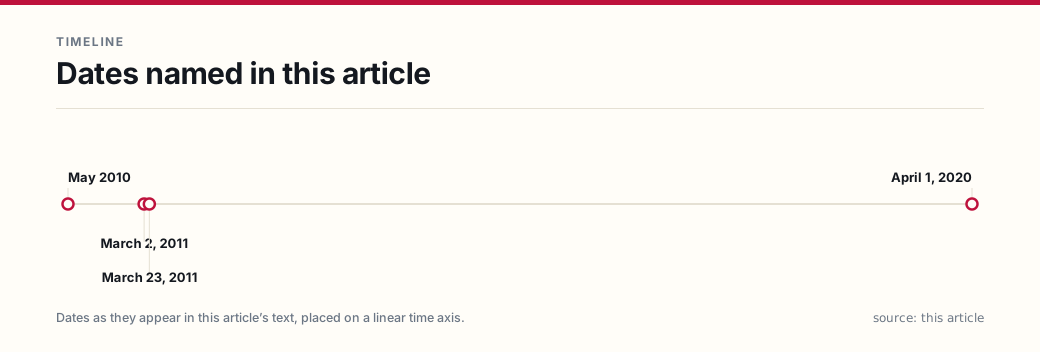
In May 2010 FDA warned of a possible increased risk of hip, wrist and spine fractures with PPIs. On March 23, 2011, the agency updated its Drug Safety Communication: “FDA has determined an osteoporosis and fracture warning on the over-the-counter (OTC) proton pump inhibitor (PPI) medication Drug Facts label is not indicated at this time,” because “fracture risk with short-term, low dose PPI use is unlikely” — the highest-risk patients had taken “high doses of prescription PPIs (higher than OTC PPI doses) and/or used a PPI for one year or more.” FDA’s summary of the OTC products is the same rule the label states: OTC PPIs “are only intended for a 14 day course of treatment up to 3 times per year.”
FDA’s March 2, 2011 communication on low magnesium applies the same pattern to a different risk: prescription PPIs “may cause low serum magnesium levels (hypomagnesemia) if taken for prolonged periods of time (in most cases, longer than one year).” The short OTC course is the reason the agency found no fracture warning “indicated” for the shelf product — the 14-day limit is not paperwork; it is the boundary between the low-dose use FDA cleared and the long-term use where risks appear.
The antacid label enforces its own version: “do not use the maximum dosage for more than 2 weeks except under the advice and supervision of a doctor.”
The Zantac trap
One brand still on the shelf carries a history worth knowing. On April 1, 2020, FDA requested removal of all ranitidine products — the original Zantac — because the impurity NDMA, “a probable human carcinogen,” “increases over time and when stored at higher than room temperatures.” FDA advised consumers “taking OTC ranitidine to stop taking any tablets or liquid they currently have, dispose of them properly and not buy more.” Proper disposal matters here; see our guide to getting rid of old medicines.
The Zantac name survives as Zantac 360, and the registry entry tells you what is inside: DailyMed lists “ZANTAC 360 (FAMOTIDINE) TABLET, FILM COATED” — it is a famotidine product, in the same ingredient class as Pepcid AC. FDA’s testing “has not found NDMA in famotidine (Pepcid), cimetidine (Tagamet), esomeprazole (Nexium), lansoprazole (Prevacid) or omeprazole (Prilosec).” The brand name is not the ingredient — a lesson that applies to every box in this aisle, and one we covered in depth for the allergy shelf.
Three interaction rules the labels enforce
- Do not stack acid reducers. Both the famotidine and the Pepcid Complete labels say “Do not use … with other acid reducers.” If a PPI course is already in your morning routine, an H2 blocker is not an add-on. The same logic applies to any medicine cabinet that already has two products with one ingredient — see duplicate active ingredients.
- Ask before mixing with prescriptions. The calcium carbonate label says “Antacids may interact with certain prescription drugs”; the famotidine and omeprazole labels say “Acid reducers may interact with certain prescription drugs.” All three ask you to check with a doctor or pharmacist first.
- Kidney disease routes you to a doctor. The famotidine label lists kidney disease under “Ask a doctor before use.”
When is it time to stop buying and start asking?
The labels give a number: “Ask a doctor before use if you have had heartburn over 3 months. This may be a sign of a more serious condition.” The federal health agencies give a frequency: reflux “two or more times a week” is where NIH News in Health says the word GERD enters, and NIDDK estimates “about 20 percent of people in the United States have GERD,” a condition that untreated “can sometimes cause serious complications over time, such as esophagitis, esophageal stricture, and Barrett’s esophagus.” NIDDK’s instruction is direct: “If you think you may have GERD, you should see your doctor.”
The medicine shelf is for the burn between those thresholds — occasional, predictable, or newly frequent for a bounded 14-day trial. Whatever you buy, the Drug Facts panel on the box is the authoritative text; our walkthrough of the OTC Drug Facts label covers how to read one.
FAQ
Which heartburn medicine works the fastest? The chewable antacid — its label doses it “as symptoms occur.” An H2 blocker is a relief medicine too, but the label treats its dose as planned: one tablet, or 15 to 60 minutes before a trigger meal. An omeprazole PPI is “not intended for immediate relief” and “may take 1 to 4 days for full effect.”
Can you take famotidine and omeprazole together? The labels say no: the famotidine Drug Facts says “Do not use … with other acid reducers,” and both products’ purpose lines are “Acid reducer.”
How often can you take Prilosec OTC? One 14-day course, repeated no more often than every 4 months — three courses a year. FDA’s safety communication describes OTC PPIs the same way: “only intended for a 14 day course of treatment up to 3 times per year.” If you need more than that, the label says to stop and see a doctor.
How long can you take Pepcid AC? The label allows up to 2 tablets in 24 hours and tells you to stop and see a doctor if “you need to take this product for more than 14 days.”
Is omeprazole better than famotidine? They are built for different problems. Omeprazole is labeled to “treat frequent heartburn (occurs 2 or more days a week)” over a 14-day course; famotidine is labeled for relief and meal-timed prevention of occasional heartburn. If your heartburn is frequent, the omeprazole label matches it; if it is occasional and predictable, the famotidine label matches. “Better” is a question of which label describes your week.
Why was Zantac taken off the market? FDA requested removal of all ranitidine products on April 1, 2020, over the NDMA impurity, which “increases over time and when stored at higher than room temperatures.” The Zantac 360 sold today is famotidine, and FDA’s testing found no NDMA in famotidine, cimetidine, esomeprazole, lansoprazole or omeprazole.
Can I take heartburn medicine while pregnant? The calcium carbonate label caps pregnant users at 10 tablets in 24 hours (versus 15 otherwise); the famotidine and omeprazole labels both say to “ask a health professional before use” if pregnant or breast-feeding. Route the acid-reducer question through your prenatal clinician.
Frequently asked questions
- Which heartburn medicine works the fastest?
- The chewable antacid. The calcium carbonate label says to chew 2 to 4 tablets 'as symptoms occur,' which is the only one of the three labels timed to the moment the burn starts. An H2 blocker is also a relief medicine but its directions treat the dose as planned rather than reactive: one tablet, or 15 to 60 minutes before a food you know triggers you. An omeprazole PPI is explicitly not for immediate relief — its label says it 'may take 1 to 4 days for full effect.'
- Can you take famotidine and omeprazole together?
- The labels say no. The famotidine Drug Facts carries a standalone 'Do not use' line that reads 'with other acid reducers,' and omeprazole is an acid reducer — both purpose lines on the two labels say exactly that. Stacking a PPI and an H2 blocker also defeats the point of the 14-day omeprazole course, whose stop-use list tells you to see a doctor if you need the product for more than 14 days.
- How often can you take Prilosec OTC?
- One 14-day course, repeated no more often than every 4 months. The label says to swallow one tablet before eating in the morning, every day for 14 days, and that you 'may repeat a 14-day course every 4 months' — which works out to three courses a year. FDA's own safety communication describes OTC PPIs the same way: 'marketed at low doses and are only intended for a 14 day course of treatment up to 3 times per year.' If you need more than that, the label says to stop and see a doctor.
- How long can you take Pepcid AC?
- The label allows up to 2 tablets in 24 hours for adults and children 12 years and over, and tells you to stop and see a doctor if 'you need to take this product for more than 14 days.'
- Is omeprazole better than famotidine?
- They are built for different problems. Omeprazole is labeled to 'treat frequent heartburn (occurs 2 or more days a week)' over a 14-day course; famotidine is labeled for relief and meal-timed prevention of occasional heartburn. If your heartburn is frequent, the omeprazole label matches it; if it is occasional and predictable, the famotidine label matches. 'Better' is a question of which label describes your week.
- Why was Zantac taken off the market?
- FDA requested removal of all ranitidine products — the original Zantac — on April 1, 2020, because the contaminant NDMA, which the agency calls 'a probable human carcinogen,' 'increases over time and when stored at higher than room temperatures.' FDA advised consumers to stop taking OTC ranitidine, dispose of it properly and not buy more. The Zantac name now on US shelves, Zantac 360, is a famotidine product, and FDA's testing 'has not found NDMA in famotidine (Pepcid), cimetidine (Tagamet), esomeprazole (Nexium), lansoprazole (Prevacid) or omeprazole (Prilosec).'
- Can I take heartburn medicine while pregnant?
- The calcium carbonate label is the only one of the three that schedules pregnancy directly: 'if pregnant do not take more than 10 tablets in 24 hours,' versus the usual ceiling of 15. Both the famotidine and the omeprazole labels instead say, 'If pregnant or breast-feeding, ask a health professional before use.' That is a question for your prenatal clinician, not a shelf decision.
- When should I stop buying medicine and see a doctor?
- When the label tells you to. Both acid-reducer labels say 'Do not use' if you have trouble or pain swallowing food, vomiting with blood, or bloody or black stools — 'These may be signs of a serious condition.' Both say to ask a doctor before use if you have 'had heartburn over 3 months.' And if heartburn happens two or more days a week, that is the frequency at which the omeprazole label says its product applies and the frequency at which MedlinePlus says you may have GERD — a condition NIDDK estimates affects about 20 percent of people in the United States.
Sources
Each source is a primary or official reference, checked before publication. Links open the original.
- TUMS Regular Strength (calcium carbonate USP 500 mg) chewable tablet — Drug Facts, DailyMed SPL published March 4, 2024 by Haleon US Holdings LLC. Purpose 'Antacid'; Uses 'relieves heartburn, acid indigestion, sour stomach, upset stomach associated with these symptoms'; 'Ask a doctor or pharmacist before use if you are presently taking a prescription drug. Antacids may interact with certain prescription drugs'; 'When using this product: do not take more than 15 tablets in 24 hours; if pregnant do not take more than 10 tablets in 24 hours; do not use the maximum dosage for more than 2 weeks except under the advice and supervision of a doctor.' Directions: 'adults and children 12 years of age and over: chew 2-4 tablets as symptoms occur, or as directed by a doctor; do not take for symptoms that persist for more than 2 weeks unless advised by a doctor.' Each tablet contains elemental calcium 200 mg (dailymed.nlm.nih.gov, setid ac80f627-3f51-425b-8c75-e07363048b00)
- PEPCID AC Original Strength (famotidine 10 mg) tablet — Drug Facts, DailyMed SPL published February 11, 2026 by Kenvue Brands LLC. Purpose 'Acid reducer'; Uses 'relieves heartburn associated with acid indigestion and sour stomach; prevents heartburn associated with acid indigestion and sour stomach brought on by eating or drinking certain food and beverages.' 'Do not use if you have trouble or pain swallowing food, vomiting with blood, or bloody or black stools. These may be signs of a serious condition. See your doctor.'; 'Do not use ... with other acid reducers'; 'Ask a doctor before use if you have had heartburn over 3 months ... kidney disease'; 'Stop use and ask a doctor if your heartburn continues or worsens; you need to take this product for more than 14 days.' Directions: 'adults and children 12 years and over: to relieve symptoms, swallow 1 tablet with a glass of water. Do not chew. To prevent symptoms, swallow 1 tablet with a glass of water at any time from 15 to 60 minutes before eating food or drinking beverages that cause heartburn; do not use more than 2 tablets in 24 hours'; 'children under 12 years: ask a doctor' (dailymed.nlm.nih.gov, setid 54f4086f-e443-4e7e-8c7e-94e152e1c256)
- PEPCID COMPLETE dual action (famotidine 10 mg, calcium carbonate 800 mg, magnesium hydroxide 165 mg) chewable tablet — Drug Facts, DailyMed SPL published July 29, 2026 by Kenvue Brands LLC. Purposes 'Acid reducer, Antacid, Antacid'; Use 'relieves heartburn associated with acid indigestion and sour stomach' — a relief claim only, with no prevention use on the label. 'Do not use ... with other acid reducers'; Directions: 'adults and children 12 years and over: do not swallow tablet whole: chew completely; to relieve symptoms, chew 1 tablet before swallowing; do not use more than 2 chewable tablets in 24 hours.' Each tablet contains calcium 320 mg, magnesium 70 mg (dailymed.nlm.nih.gov, setid a2ef8424-7d80-42b0-a01e-f378f629b2b6)
- PRILOSEC OTC (omeprazole delayed-release 20 mg, equivalent to 20.6 mg omeprazole magnesium) tablet — Drug Facts, DailyMed SPL published October 6, 2026 by The Procter & Gamble Manufacturing Company. Purpose 'Acid reducer'; Use 'treats frequent heartburn (occurs 2 or more days a week); not intended for immediate relief of heartburn; this drug may take 1 to 4 days for full effect.' 'Do not use if you have: trouble or pain swallowing food, vomiting with blood, or bloody or black stools; heartburn with lightheadedness, sweating or dizziness; chest pain or shoulder pain with shortness of breath; sweating; pain spreading to arms, neck, or shoulders; or lightheadedness; frequent chest pain. These may be signs of a serious condition. See your doctor.' 'Ask a doctor before use if you have: had heartburn over 3 months ... frequent wheezing ... unexplained weight loss; nausea or vomiting; stomach pain.' 'Stop use and ask a doctor if: your heartburn continues or worsens; you need to take this product for more than 14 days; you need to take more than 1 course of treatment every 4 months; you get diarrhea; you develop a rash or joint pain.' Directions: 'for adults 18 years of age and older ... swallow 1 tablet with a glass of water before eating in the morning; take every day for 14 days; do not take more than 1 tablet a day ... swallow whole. Do not chew, crush, or suck tablets'; 'you may repeat a 14-day course every 4 months'; 'children under 18 years of age: ask a doctor' (dailymed.nlm.nih.gov, setid 35a79458-79f6-44d6-b74c-b4f4aaf0dde0)
- U.S. Food and Drug Administration — Drug Safety Communication, 'Possible Increased Risk of Fractures of the Hip, Wrist, and Spine with Use of Proton Pump Inhibitors,' announced May 25, 2010, updated March 23, 2011. The update states: 'FDA has determined an osteoporosis and fracture warning on the over-the-counter (OTC) proton pump inhibitor (PPI) medication Drug Facts label is not indicated at this time'; 'Following a thorough review of available safety data, FDA has concluded that fracture risk with short-term, low dose PPI use is unlikely'; 'The available data show that patients at highest risk for fractures received high doses of prescription PPIs (higher than OTC PPI doses) and/or used a PPI for one year or more. In contrast to prescription PPIs, OTC PPIs are marketed at low doses and are only intended for a 14 day course of treatment up to 3 times per year.' The FDA page was retired in the agency's site reorganization and is quoted from the Internet Archive snapshot of the original URL (web.archive.org, snapshot of fda.gov/drugs/postmarket-drug-safety-information-patients-and-providers/fda-drug-safety-communication-possible-increased-risk-fractures-hip-wrist-and-spine-use-proton-pump retrieved November 11, 2026)
- U.S. Food and Drug Administration — Drug Safety Communication, March 2, 2011: 'Low magnesium levels can be associated with long-term use of Proton Pump Inhibitor drugs (PPIs).' 'The U.S. Food and Drug Administration (FDA) is informing the public that prescription proton pump inhibitor (PPI) drugs may cause low serum magnesium levels (hypomagnesemia) if taken for prolonged periods of time (in most cases, longer than one year).'; 'Hypomagnesemia has been reported in adult patients taking PPIs for at least three months, but most cases occurred after a year of treatment.' Quoted from the Internet Archive snapshot of fda.gov/Drugs/DrugSafety/ucm245011.htm (retrieved November 11, 2026)
- U.S. Food and Drug Administration — press announcement, April 1, 2020, 'FDA Requests Removal of All Ranitidine Products (Zantac) from the Market': FDA 'is requesting manufacturers withdraw all prescription and over-the-counter (OTC) ranitidine drugs from the market immediately'; the impurity NDMA 'increases over time and when stored at higher than room temperatures'; 'NDMA is a probable human carcinogen'; FDA is 'advising consumers taking OTC ranitidine to stop taking any tablets or liquid they currently have, dispose of them properly and not buy more'; and 'To date, the FDA's testing has not found NDMA in famotidine (Pepcid), cimetidine (Tagamet), esomeprazole (Nexium), lansoprazole (Prevacid) or omeprazole (Prilosec)' (fda.gov/news-events/press-announcements/fda-requests-removal-all-ranitidine-products-zantac-market retrieved November 11, 2026)
- DailyMed registry — the Zantac name currently marketed OTC in the United States: 'ZANTAC 360 (FAMOTIDINE) TABLET, FILM COATED' products from Chattem, Inc. (September 1, 2025) and Select Consumer Group LLC (June 29, 2026). The last ranitidine product in the Zantac search results is 'ZANTAC (RANITIDINE HYDROCHLORIDE) INJECTION' published May 22, 2020 (dailymed.nlm.nih.gov, query drug_name=zantac, retrieved November 11, 2026)
- NIH News in Health — 'Feeling the Burn? Options for Acid Reflux,' November 2018: 'Reflux two or more times a week for a few weeks may be gastrointestinal reflux disease (GERD). GERD affects around 20% of people in the U.S. at some point in their lives.'; 'Doctors often first recommend antacids to relieve heartburn and other mild symptoms. Drugs called H2 blockers may provide relief if an antacid alone isn't enough. These can stop your stomach from making acid in the short-term.'; 'PPIs reduce the amount of acid the stomach makes. They're very effective. But people who take PPIs for a long time or in high doses may be more likely to have side effects.'; Wise Choices: 'Talk to your doctor, if you have reflux twice or more per week' (newsinhealth.nih.gov/2018/11/feeling-burn retrieved November 11, 2026)
- NIH / NIDDK — 'Definition & Facts for GER & GERD,' last reviewed July 2020: 'Gastroesophageal reflux disease (GERD) is a more severe and long-lasting condition in which GER causes repeated symptoms or leads to complications over time'; 'Researchers estimate that about 20 percent of people in the United States have GERD'; 'If you think you may have GERD, you should see your doctor'; untreated GERD can cause esophagitis, esophageal stricture and Barrett's esophagus (niddk.nih.gov/health-information/digestive-diseases/acid-reflux-ger-gerd-adults/definition-facts retrieved November 11, 2026)
- MedlinePlus — 'GERD' health topic (NIH National Library of Medicine): 'if you have symptoms two or more times a week or if they cause damage to the lining of your esophagus, you may have gastroesophageal reflux disease (GERD)'; 'Get medical help right away if you have chest pain with shortness of breath, or pain in your jaw or arm. These can be signs of a heart problem' (medlineplus.gov/gerd.html retrieved November 11, 2026)